
Newborn Essentials 101
Everything expectant parents need to know about preparing for a newborn. We've organized the essentials by category and priority level to help you shop smart—whether you're planning ahead or ready to bring baby home.
Clothing Essentials
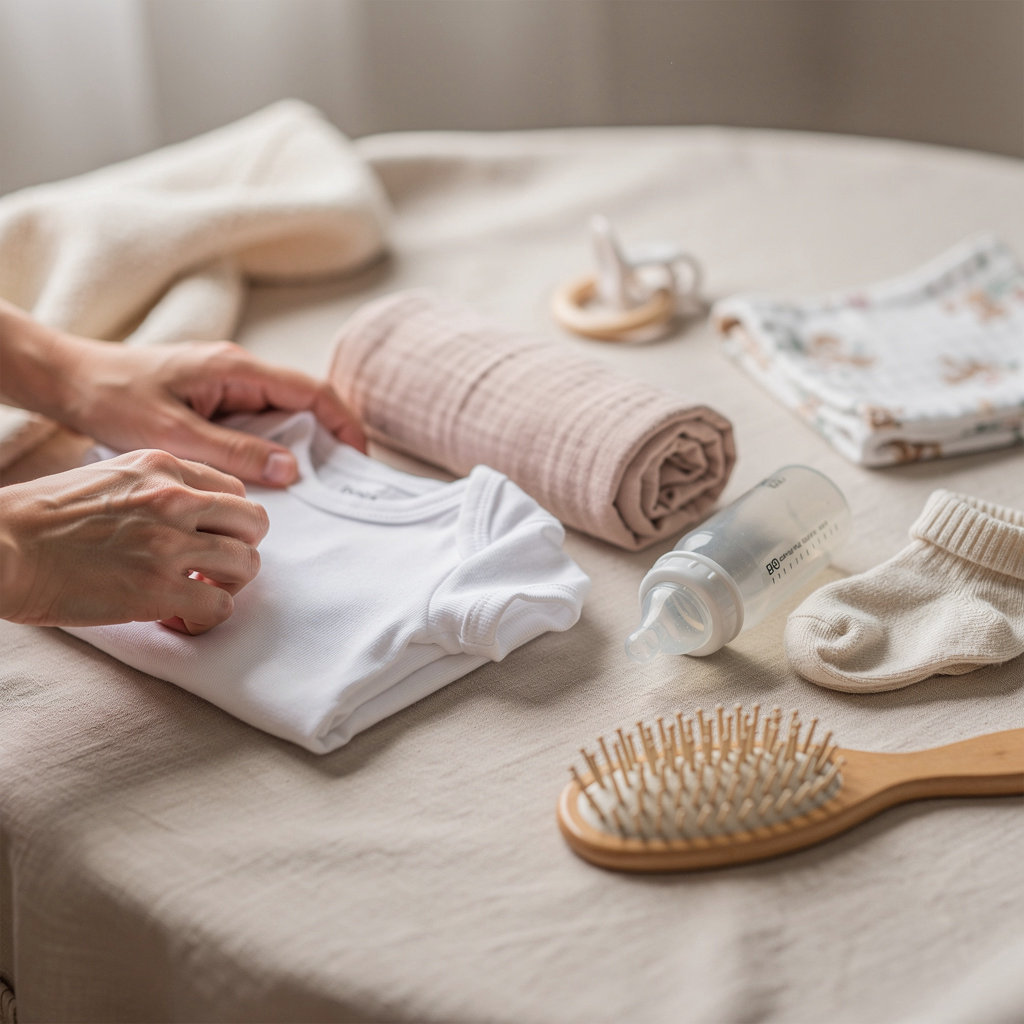
Onesies & bodysuits: 5-7 short-sleeve and long-sleeve in newborn and 0-3 months sizes. Babies grow quickly!
Sleep sacks & swaddles: Reduces SIDS risk and keeps baby cozy without loose blankets.
Mittens & booties: Protect delicate skin and keep tiny hands warm.
Seasonal outfits: Cute clothes for outings, but not essential for home care.
Feeding Supplies
Bottles & nipples: 8-10 bottles for bottle feeding or expressed breast milk. Choose anti-colic options if possible.
Sterilizer: Electric or steam sterilizer for safe bottle sanitization.
Bibs & burp cloths: 8-10 pieces to manage spit-up and feeding messes.
Bottle warmer: Convenient for quick feeding prep, especially at night.
Sleep & Comfort
Firm mattress & fitted sheets: Proper sleep surface reduces SIDS risk. Get 3-4 fitted sheets for easy changes.
Waterproof mattress protector: Essential for accidents and spills.
White noise machine: Helps baby sleep and masks household sounds.
Blackout curtains: Creates a dark sleep environment for better rest.
Health, Safety & Hygiene
Digital thermometer: For accurate temperature monitoring. Non-contact infrared is safest for newborns.
Diaper cream & wipes: Gentle, fragrance-free options to prevent diaper rash.
Nail clippers & file: Newborn nails grow fast and can scratch delicate skin.
Humidifier: Helps with congestion and dry skin in dry climates.
First aid kit: Bandages, antiseptic, and basic supplies for minor injuries.
Baby bathtub: Makes bath time easier, though a sink works too.
Nursery Setup Basics
Safe crib or bassinet: Where baby sleeps. Must meet safety standards—firm mattress, no pillows or blankets.
Changing table or dresser: Reduces back strain during frequent diaper changes.
Storage bins & closet organizers: Keeps tiny clothes and supplies organized.
Soft lighting: Dimmable lights for nighttime feeding without harsh brightness.
Decorative touches: Wall art, rugs, and furnishings create a calming space.
Baby monitor: Video or audio monitor for peace of mind (especially if not room-sharing).
Budget-Conscious Shopping Tips
Start with Must-Haves: These are non-negotiable for safety and daily care. Build your collection as budget allows.
Borrow or buy secondhand: Many items (like swings, bouncer seats, and gear) can be purchased used safely if they're not recalled.
Wait on "Nice-to-Haves": See what you actually need before investing. You might find you don't need everything.
Buy quality basics: Invest in durable clothing and bedding that can survive multiple children or resale.
Everything You Need, All in One Place
Grouchy Hill stocks all the essentials recommended above—from clothing and feeding supplies to safety gear and nursery basics. Whether you're a first-time parent building from scratch or adding to your collection, we've got you covered with quality products, expert guidance, and fast delivery right to your door in Port Harcourt and Rivers State.
Not sure where to start? Email our experts for personalized product recommendations based on your needs and budget.
Feeding Your Baby: A Parent's Guide
Every baby is unique, and so is their feeding journey. Whether you're choosing to breastfeed, formula feed, or a combination of both, this guide will help you make informed decisions that work best for your family. At Grouchy Hill, we support every feeding choice with quality products and expert guidance.
Breast Feeding
Breastfeeding is a natural way to nourish your baby and can provide numerous health benefits for both mother and child. Every breastfeeding journey is different—some parents breastfeed exclusively, others combine breast milk with formula, and some express milk for bottle feeding.
Key Considerations:
- • Positioning and latch: Proper latch is essential for comfort and milk transfer. Don't hesitate to seek support from a lactation consultant if you're experiencing pain or difficulty.
- • Feeding frequency: Newborns typically feed 8-12 times per day. Watch for hunger cues like rooting, hand-to-mouth movements, and crying.
- • Supply and demand: Your milk supply adjusts based on how often your baby feeds. Frequent, effective feeding helps maintain a healthy supply.
- • Expressing and storage: If you plan to return to work or need flexibility, investing in a quality breast pump can help maintain supply and give you freedom.
Grouchy Hill stocks: Nursing pillows, breast pumps, storage bottles, nipple shields, and comfortable nursing bras to support your breastfeeding journey.
Formula Feeding
Formula feeding is a wonderful option that provides complete nutrition for your baby. Whether you're formula feeding exclusively or supplementing breast milk, choosing the right formula and bottles is important for your baby's health and your peace of mind.
What You Need to Know:
- • Formula types: Cow's milk-based, hydrolyzed, soy-based, and specialty formulas are available. Your pediatrician can help you choose the best option for your baby's needs.
- • Bottle selection: Look for bottles designed to reduce colic and gas. Nipple flow rates should match your baby's age and feeding style.
- • Sterilization: Sterilize bottles, nipples, and pumping parts before first use. After that, hot soapy water or a dishwasher is usually sufficient for babies over 3 months.
- • Feeding schedule: Most formula-fed babies eat every 3-4 hours. Watch your baby's hunger and fullness cues rather than forcing a strict schedule.
- • Storage: Store prepared formula in the refrigerator and use within 24 hours. Never leave formula at room temperature for more than 2 hours.
Grouchy Hill stocks: A wide range of infant formulas, anti-colic bottles, bottle warmers, sterilizers, and bottle brushes to make formula feeding convenient and safe.
Choosing the Right Bottles & Nipples
The right bottle can make a big difference in your baby's comfort and feeding experience. Here's what to consider when selecting bottles:
Bottle Material
Glass: Durable, easy to clean, and doesn't retain odors. Heavier and can break. Plastic: Lightweight and portable. Look for BPA-free options. Silicone: Flexible and collapsible, reducing air intake. Great for on-the-go.
Nipple Flow Rates
Slow (0-3 months): Mimics breastfeeding. Medium (3-6 months): For babies ready for faster flow. Fast (6+ months): For older babies or those who prefer quicker feeding.
Anti-Colic Features
Look for bottles with venting systems that reduce air bubbles, helping minimize gas and colic discomfort. Many babies benefit from bottles designed to mimic breastfeeding.
Sterilization & Cleaning Best Practices
Keeping bottles and feeding equipment clean is crucial for your baby's health. Here are the recommended practices:
- ✓ Before first use: Sterilize all bottles, nipples, rings, and caps by boiling for 5-10 minutes or using a steam sterilizer.
- ✓ Daily cleaning: Wash bottles and nipples in hot soapy water immediately after use. Use a bottle brush to clean inside thoroughly.
- ✓ Sterilization frequency: For babies under 3 months, sterilize daily. After 3 months, hot soapy water is usually sufficient unless your baby is sick.
- ✓ Storage: Store clean, dry bottles in a clean cupboard. Keep nipples in a sealed container to prevent dust accumulation.
- ✓ Inspect regularly: Check nipples for cracks, tears, or discoloration. Replace worn nipples every 2-3 months.
Grouchy Hill stocks: Bottle sterilizers, electric and manual breast pumps, bottle brushes, bottle drying racks, and all the cleaning supplies you need for safe feeding.
Transitioning to Solids & High Chair Selection
Around 6 months, most babies show signs of readiness for solid foods. This is an exciting milestone, and choosing the right feeding equipment makes the transition smoother.
Signs of Readiness for Solids:
- • Baby can sit upright with minimal support
- • Shows interest in food and mimics eating motions
- • Tongue-thrust reflex has diminished (can swallow from a spoon)
- • Weighs at least double their birth weight
High Chair Features to Consider:
- • Safety: Look for sturdy construction, a secure harness, and stability on all surfaces.
- • Ease of cleaning: Removable, dishwasher-safe trays and washable seat covers are essential.
- • Adjustability: Height-adjustable chairs allow you to eat together as a family.
- • Space: Consider your kitchen layout. Compact or folding options work well for smaller spaces.
Grouchy Hill stocks: High chairs, baby spoons, feeding bibs, weaning bowls, and all the gear you need to make mealtimes safe and enjoyable.
Common Feeding Challenges & Solutions
Colic & Gas
Excessive crying, especially in the evening, can indicate colic or gas discomfort.
Solutions: Try anti-colic bottles with venting systems, burp your baby frequently during feeding, ensure proper bottle positioning, and consult your pediatrician if symptoms persist. Grouchy Hill carries bottles specifically designed to reduce colic.
Nipple Confusion
If you're combining breast and bottle feeding, your baby may prefer one over the other.
Solutions: Wait until breastfeeding is well-established (usually 3-4 weeks) before introducing bottles. Look for bottles that mimic breastfeeding with slower flow rates and natural nipple shapes.
Reflux or Spitting Up
Some babies spit up frequently, especially if feeding too quickly or swallowing air.
Solutions: Feed in an upright position, burp frequently, use smaller, more frequent feedings, and consider anti-reflux bottles. Keep a burp cloth handy and monitor for signs of discomfort.
Low Milk Supply
Some breastfeeding parents worry about producing enough milk.
Solutions: Ensure frequent, effective feeding; stay hydrated; eat nutritious foods; manage stress; and seek support from a lactation consultant. A quality breast pump can help maintain and monitor supply if needed.
Feeding Refusal
Some babies refuse the bottle or breast, which can be stressful for parents.
Solutions: Try different bottle nipples, adjust feeding temperature, feed when your baby is calm, and be patient. If refusing breast, check latch and consult a lactation consultant. Every baby is different—what works for one may not work for another.
Need Personalized Feeding Advice?
Every baby is unique, and so is their feeding journey. Our team at Grouchy Hill is here to help you find the products and solutions that work best for your family. Whether you're navigating breastfeeding challenges, selecting the right formula, or gearing up for solids, we're here to support you.
Reach out to us for personalized product recommendations and expert guidance tailored to your feeding goals.
Email Our Feeding ExpertsAt Grouchy Hill, we believe that feeding your baby should be a joyful, stress-free experience. Whether you choose to breastfeed, formula feed, or combine both, we're here to provide the quality products and expert support you deserve. Browse our complete range of feeding essentials, from bottles and pumps to sterilizers and high chairs, all carefully selected to meet the highest standards of safety and quality.
Baby Safety & Car Seats
Your baby's safety is our top priority. Learn essential safety practices, proper car seat selection, and how Grouchy Hill supports families with certified, safety-tested products.

Car Seat Safety & Selection
Choosing the right car seat is one of the most critical safety decisions you'll make as a parent. Car seats reduce the risk of injury by up to 71% for infants and 54% for toddlers.
Infant Car Seats (0-2 years)
Rear-facing only. Weight limit typically 22-35 lbs. Replace after any accident.
Convertible Car Seats (Birth-65+ lbs)
Rear-facing first, then forward-facing. Longer lifespan, grows with your child.
Booster Seats (4+ years, 40+ lbs)
Position vehicle seatbelt correctly across chest and lap. Use until 57 inches tall.
Proper Installation Checklist
- • Seat is installed at the correct angle (typically 45° for infants)
- • Harness is snug with no more than one finger gap at shoulder
- • Seat doesn't move more than 1 inch side-to-side or front-to-back
- • Chest clip is at armpit level, not on stomach
Safe Sleep Practices & SIDS Prevention
Sudden Infant Death Syndrome (SIDS) is a parent's greatest fear. Following evidence-based sleep guidelines significantly reduces SIDS risk.
Back Sleeping Position
Always place baby on their back for naps and nighttime sleep. This is the single most important SIDS prevention measure.
Firm Sleep Surface
Use a firm crib, bassinet, or play yard that meets safety standards. Avoid soft surfaces like pillows or cushions.
Room-Sharing Without Bed-Sharing
Keep baby's sleep space in your room for at least the first 6 months, ideally the first year. Reduces SIDS risk by up to 50%.
Avoid Loose Objects
Keep pillows, blankets, bumpers, and soft toys out of the crib. Use sleep sacks instead of loose blankets.
Maintain Comfortable Temperature
Keep room at comfortable temperature (68-72°F). Overheating increases SIDS risk. Dress baby appropriately for room temperature.
Consider a Pacifier
Offering a pacifier at nap time and bedtime reduces SIDS risk. Wait until breastfeeding is established (4-6 weeks) if nursing.
Nursery Safety & Baby-Proofing Essentials
Furniture Safety
- • Anchor all furniture to walls (dressers, shelves, changing tables)
- • Avoid furniture with sharp corners or edges
- • Keep crib at least 2 feet from windows, cords, and heaters
- • Use a secure changing table with safety straps
- • Ensure all furniture is stable and won't tip over
Electrical & Hazards
- • Use outlet covers or tamper-resistant outlets
- • Secure all electrical cords out of reach
- • Install safety gates at stairs
- • Keep blind cords away (strangulation risk)
- • Keep small objects away (choking hazard)
Hygiene & Air Quality
- • Maintain clean, dust-free environment
- • Use air purifier if needed (especially in Port Harcourt)
- • Keep room at appropriate humidity (40-60%)
- • Regularly wash bedding in hot water
- • Keep cleaning chemicals locked away
Health, Hygiene & When to Seek Medical Advice
Daily Hygiene Best Practices
- 1. Hand Washing: Wash hands before handling baby. Teach caregivers proper hand hygiene.
- 2. Umbilical Cord Care: Keep cord dry. Clean with water only (avoid alcohol unless advised).
- 3. Diaper Changes: Change frequently. Use gentle wipes or warm water. Air-dry when possible.
- 4. Bath Time: Use lukewarm water (test with elbow). Keep baths brief (5-10 minutes).
- 5. Bottle & Equipment Sterilization: Sterilize bottles, nipples, and pacifiers daily until 3 months old.
When to Seek Medical Advice
- • Fever over 100.4°F (38°C) in babies under 3 months
- • Difficulty breathing or wheezing
- • Unresponsiveness or unusual lethargy
- • Severe rash or signs of allergic reaction
- • Choking or inability to swallow
- • Seizures or unusual movements
- • Severe vomiting or diarrhea with signs of dehydration
Grouchy Hill's Safety-Certified Product Selection
At Grouchy Hill, we prioritize your baby's safety above all else. Every product we stock meets rigorous safety standards and certifications.
Need help choosing the right safety products for your baby? Call our experts or email us for personalized recommendations.
Trusted Safety Resources
American Academy of Pediatrics (AAP)
Evidence-based guidelines on SIDS prevention, car seat safety, and child health.
National Highway Traffic Safety Administration (NHTSA)
Car seat safety standards, installation guides, and recall information.
Safe Kids Worldwide
Injury prevention resources, baby-proofing checklists, and safety tips.
World Health Organization (WHO)
Global child health guidelines and developmental safety standards.
Still Have Safety Questions?
Our expert team at Grouchy Hill is here to help. We can answer questions about product selection, proper installation, and safe practices for your baby.
You're Ready to Give Your Baby the Best
You now have everything you need to know about choosing quality baby products, from newborn essentials to safety and feeding. At Grouchy Hill, we've got all of it in stock—and we're right here in Port Harcourt to get it to you fast.
Browse Our Products
Explore all our baby product categories, from clothing and gear to feeding essentials and toys. Everything a Port Harcourt family needs.
Still Have Questions?
Our experts are ready to help. Get personalized product recommendations, delivery info, or any advice you need to feel confident.
We're here to support you every step of the way. From your first question to your baby's first milestone, Grouchy Hill is your trusted partner in Port Harcourt.